Artificial Intelligence (AI) and Games: A Definitive Look at the Concept
Category : Word Clarifications es | Sub Category : Posted on 2024-11-05 22:25:23
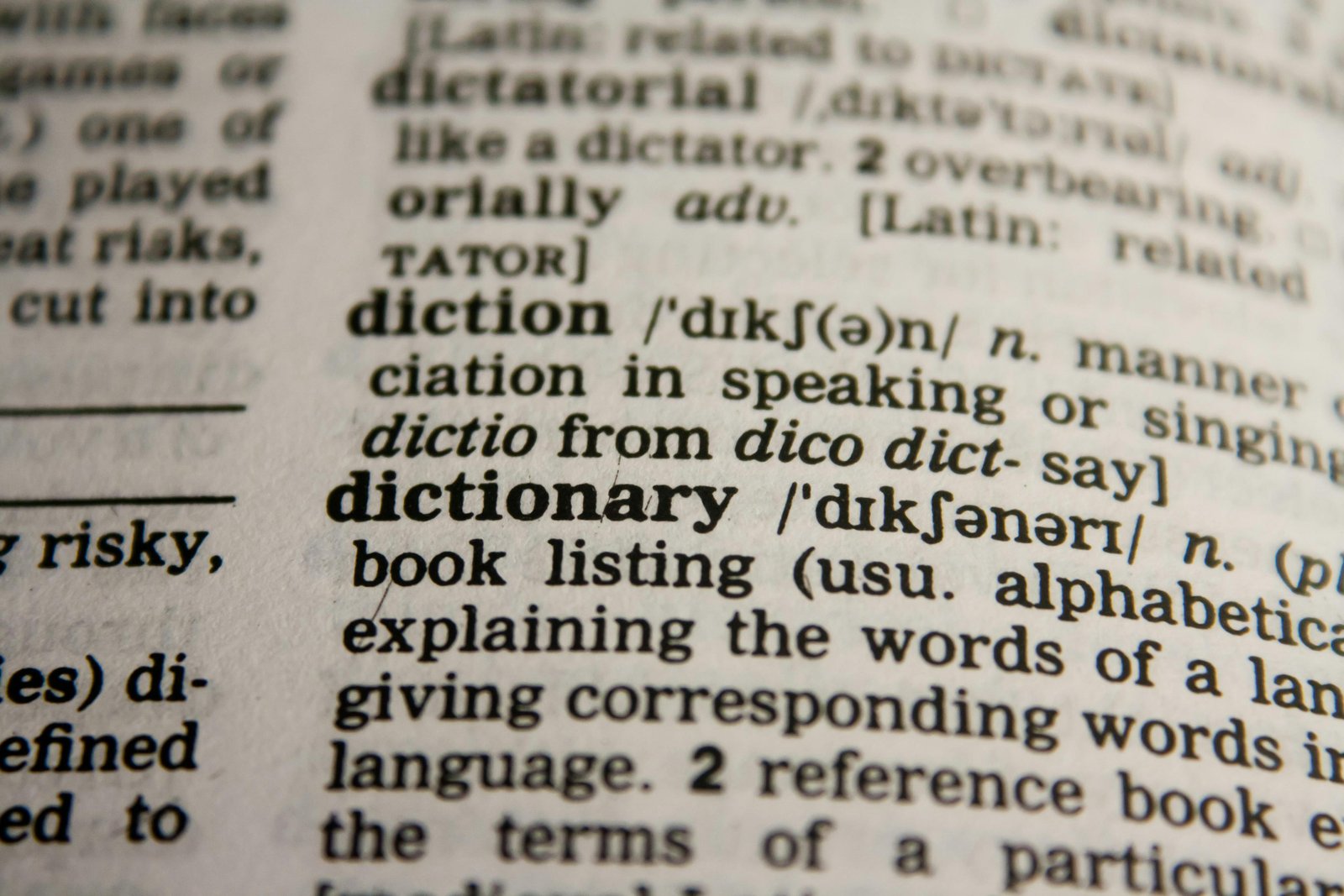
Artificial intelligence (AI) has become an integral part of modern video games, enhancing player experiences through advanced algorithms and realistic behaviors. In this blog post, we will delve into the concept of AI in games, exploring its definition and clarifying its role in shaping interactive entertainment. What is AI in Games? AI in games refers to the simulation of human-like intelligence by computer-controlled characters or entities within the game environment. These AI systems are designed to make decisions, adapt to changing circumstances, and interact with players in a manner that mimics human behavior. By incorporating AI, game developers can create more dynamic and engaging experiences for players, offering challenges and opportunities for strategic thinking. Types of AI in Games There are several types of AI commonly used in games, each serving specific functions to enhance gameplay: 1. Reactive AI: Reactive AI systems respond to immediate stimuli and inputs from the player or game environment. These AI entities are typically programmed to react in a predetermined manner based on specific triggers, such as enemy sightings or obstacles in the game world. 2. Strategic AI: Strategic AI focuses on long-term decision-making and planning within the game. Entities with strategic AI capabilities can analyze multiple variables, predict outcomes, and formulate complex strategies to achieve specific objectives. This type of AI is often employed in strategy games or simulations. 3. Adaptive AI: Adaptive AI systems learn and evolve based on player interactions and feedback. These AI entities can adjust their behaviors, tactics, and difficulty levels in real-time to provide a more personalized experience for players. Adaptive AI is frequently used in modern games to create dynamic and challenging gameplay scenarios. Clarifying the Concept of AI in Games While AI in games is designed to simulate intelligent behavior, it is essential to recognize that game AI is not sentient or self-aware. AI entities in games operate within predefined parameters and algorithms, following programmed rules and responses to simulate intelligence. The goal of game AI is to enhance gameplay and immersion, providing players with compelling challenges and interactions rather than replicating human consciousness. In conclusion, AI plays a crucial role in shaping the gaming industry, revolutionizing the way players engage with virtual worlds and characters. By understanding the concept of AI in games and its various applications, players can appreciate the technical intricacies and design considerations that go into creating immersive and compelling gaming experiences. Whether you're battling intelligent enemies, navigating dynamic environments, or solving complex puzzles, AI in games continues to push the boundaries of interactive entertainment. Have a visit at https://www.apapapers.com
Leave a Comment:
SEARCH
Recent News
- Zurich, the largest city in Switzerland, is a vibrant and dynamic metropolis known for its picturesque setting, high quality of life, and economic prowess. From its stunning architecture and rich cultural heritage to its thriving arts scene and innovative gastronomy, Zurich has a lot to offer both residents and visitors alike.
- Zurich, Switzerland: A Linguistic Haven for Dictionaries
- **How YouTube Content Creation is Reshaping the Way We Interact with Encyclopedias**
- YouTube Channels: The Modern-Day Encyclopedias
- Unlocking the World of Knowledge and Learning with YouTube Channel Dictionaries
- The FIFA World Cup is undoubtedly one of the most prestigious and highly anticipated sporting events in the world. With a rich history dating back to 1930, the World Cup has captured the hearts of millions of fans globally. To delve deeper into the fascinating world of the World Cup, one can turn to World Cup encyclopedias for a comprehensive and detailed look at the tournament's history, players, teams, and memorable moments.
- The Language of the World Cup: A Dictionary for Soccer Fans
- Encyclopedias have long been a valuable resource for individuals looking to develop their work skills. These comprehensive reference sources provide a wealth of information on a wide range of topics, making them an essential tool for anyone seeking to expand their knowledge and expertise in their field.
READ MORE
10 months ago Category : Word Clarifications es

Zurich, the largest city in Switzerland, is a vibrant and dynamic metropolis known for its picturesque setting, high quality of life, and economic prowess. From its stunning architecture and rich cultural heritage to its thriving arts scene and innovative gastronomy, Zurich has a lot to offer both residents and visitors alike.
Read More →10 months ago Category : Word Clarifications es

Zurich, Switzerland: A Linguistic Haven for Dictionaries
Read More →10 months ago Category : Word Clarifications es

**How YouTube Content Creation is Reshaping the Way We Interact with Encyclopedias**
Read More →10 months ago Category : Word Clarifications es
