Artificial Intelligence (AI) is a transformative technology that has the potential to revolutionize various aspects of society, including healthcare, transportation, finance, and more. While the concept of AI may seem futuristic and even intimidating to some, it is essential to understand its definition and clarify misconceptions surrounding it.
Category : Word Clarifications es | Sub Category : Posted on 2024-11-05 22:25:23
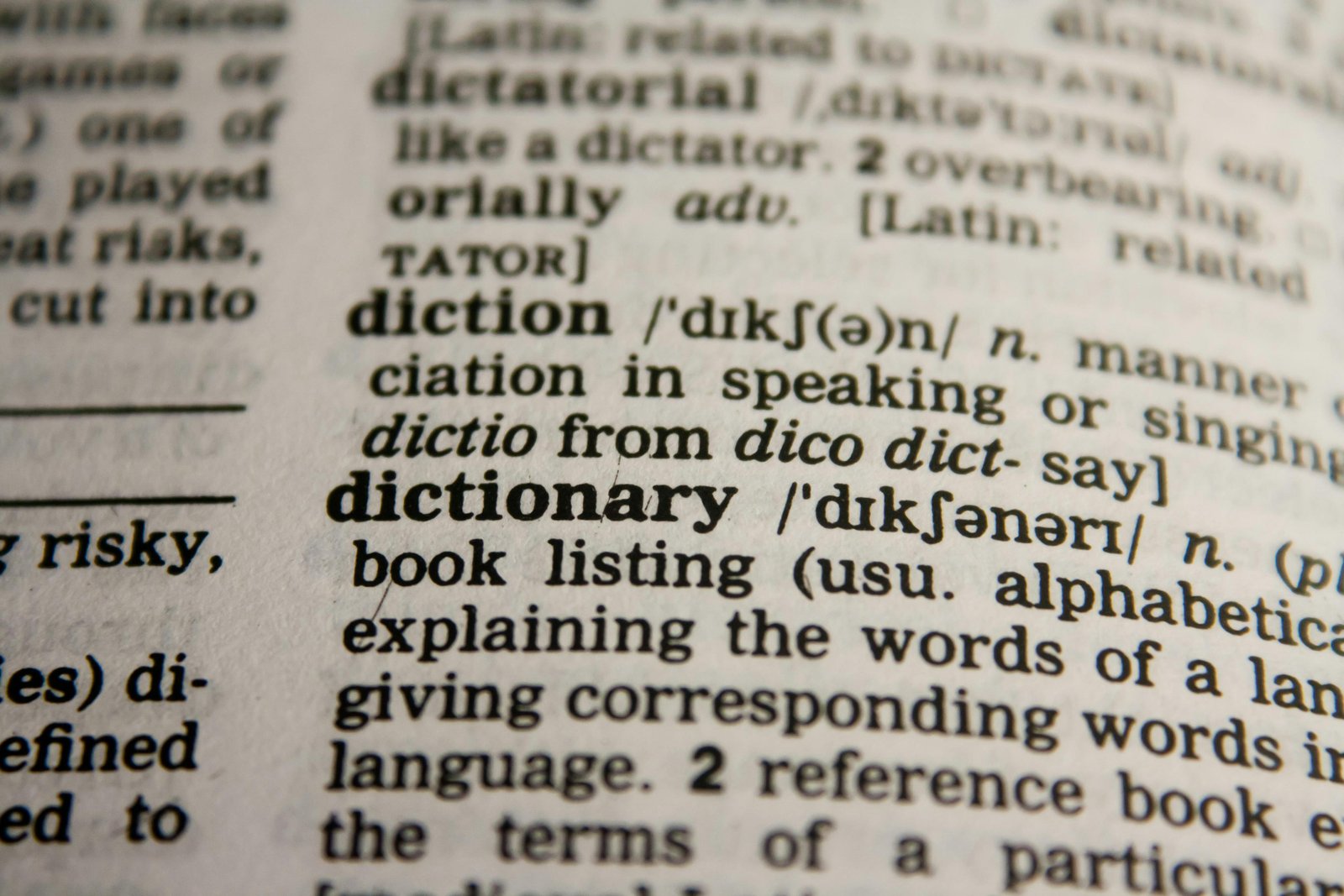
In simple terms, artificial intelligence refers to the development of computer systems that can perform tasks that typically require human intelligence, such as speech recognition, problem-solving, learning, and decision-making. AI systems are designed to analyze large amounts of data, recognize patterns, and make predictions based on this analysis. It is important to note that AI encompasses various subfields, including machine learning, neural networks, natural language processing, and computer vision. Machine learning, in particular, plays a crucial role in AI development by enabling systems to learn from data and improve their performance over time. Despite its tremendous potential, AI is often misunderstood and associated with science fiction scenarios where robots take over the world. In reality, AI is a tool created by humans to enhance productivity, improve efficiency, and solve complex problems. It is essential to approach AI with a balanced perspective, considering both the benefits and risks associated with its implementation. In the context of Burma (Myanmar), AI has the potential to drive innovation, accelerate economic growth, and improve the quality of life for its citizens. By leveraging AI technologies in areas such as healthcare, agriculture, education, and infrastructure development, Burma can overcome challenges and unlock new opportunities for progress. In conclusion, artificial intelligence is a powerful technology that holds great promise for the future. By understanding its definition and clarifying misconceptions, we can harness the potential of AI to create a more intelligent and inclusive society.
Leave a Comment:
SEARCH
Recent News
- Zurich, the largest city in Switzerland, is a vibrant and dynamic metropolis known for its picturesque setting, high quality of life, and economic prowess. From its stunning architecture and rich cultural heritage to its thriving arts scene and innovative gastronomy, Zurich has a lot to offer both residents and visitors alike.
- Zurich, Switzerland: A Linguistic Haven for Dictionaries
- **How YouTube Content Creation is Reshaping the Way We Interact with Encyclopedias**
- YouTube Channels: The Modern-Day Encyclopedias
- Unlocking the World of Knowledge and Learning with YouTube Channel Dictionaries
- The FIFA World Cup is undoubtedly one of the most prestigious and highly anticipated sporting events in the world. With a rich history dating back to 1930, the World Cup has captured the hearts of millions of fans globally. To delve deeper into the fascinating world of the World Cup, one can turn to World Cup encyclopedias for a comprehensive and detailed look at the tournament's history, players, teams, and memorable moments.
- The Language of the World Cup: A Dictionary for Soccer Fans
- Encyclopedias have long been a valuable resource for individuals looking to develop their work skills. These comprehensive reference sources provide a wealth of information on a wide range of topics, making them an essential tool for anyone seeking to expand their knowledge and expertise in their field.
READ MORE
11 months ago Category : Word Clarifications es

Zurich, the largest city in Switzerland, is a vibrant and dynamic metropolis known for its picturesque setting, high quality of life, and economic prowess. From its stunning architecture and rich cultural heritage to its thriving arts scene and innovative gastronomy, Zurich has a lot to offer both residents and visitors alike.
Read More →11 months ago Category : Word Clarifications es

Zurich, Switzerland: A Linguistic Haven for Dictionaries
Read More →11 months ago Category : Word Clarifications es

**How YouTube Content Creation is Reshaping the Way We Interact with Encyclopedias**
Read More →11 months ago Category : Word Clarifications es
