Bolivian Dictionaries: Preserving the Language and Culture
Category : Word Clarifications es | Sub Category : Posted on 2025-11-03 22:25:23
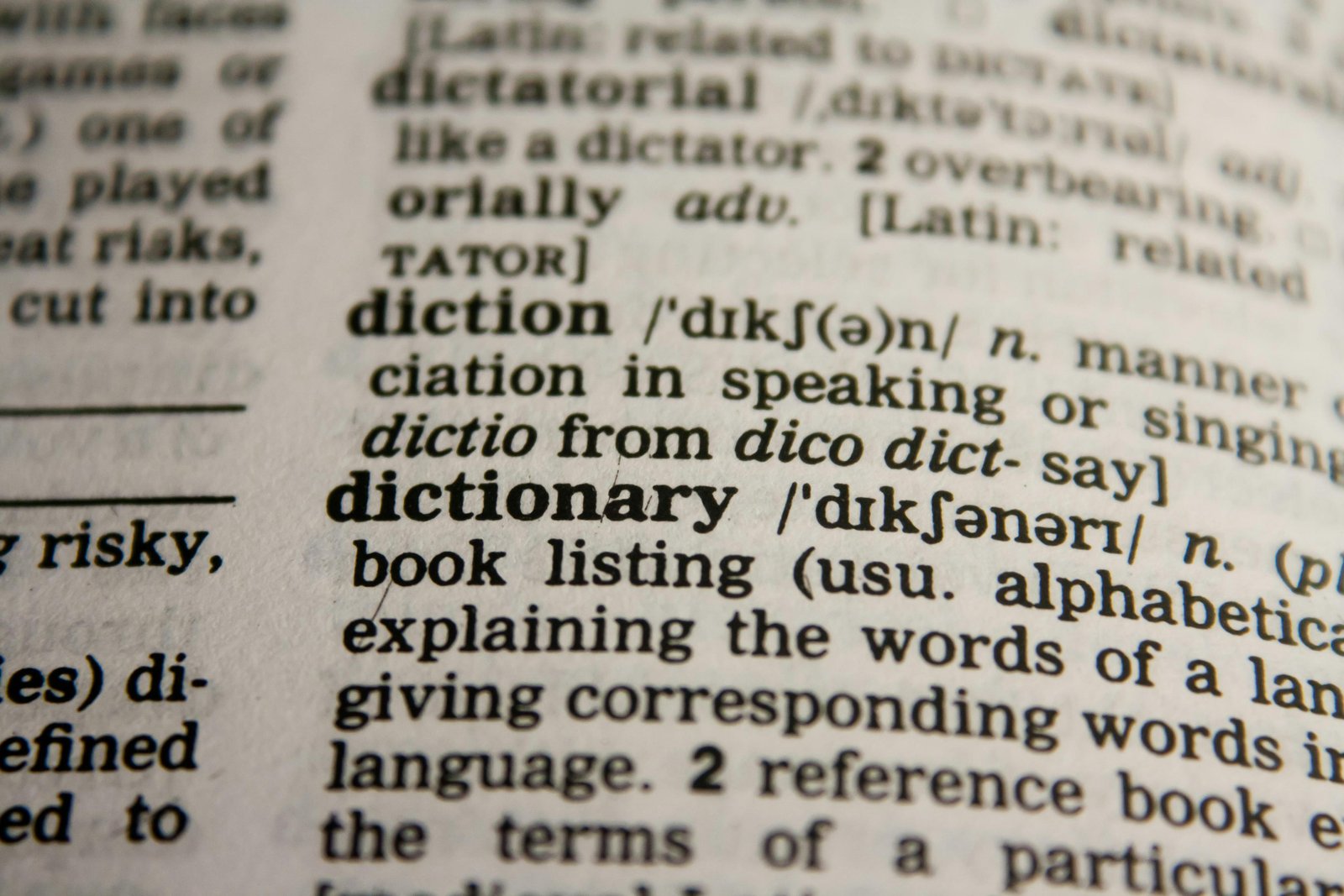
dictionaries are powerful tools that not only provide definitions of words but also offer insights into the language and culture of a particular region. In Bolivia, dictionaries play a crucial role in preserving the country's indigenous languages and heritage. Bolivia is a multicultural and multilingual country with 36 indigenous languages spoken across its diverse regions. These languages are an essential part of Bolivia's identity and history, representing the rich tapestry of its indigenous peoples. However, many of these languages are at risk of being lost due to factors such as urbanization, globalization, and the dominance of Spanish. To address this issue, Bolivian dictionaries have been created to document and preserve these indigenous languages. These dictionaries not only provide translations of words but also include cultural explanations, historical context, and examples of language usage. By recording and standardizing these languages in dictionary form, efforts are made to ensure they are passed down to future generations. One notable example of a Bolivian dictionary is the Quechua-Spanish dictionary, which helps bridge the gap between the Quechua-speaking population and the predominantly Spanish-speaking society. This dictionary has been instrumental in promoting the use of Quechua in everyday life, education, and media, helping to empower and validate the language and its speakers. In addition to preserving indigenous languages, Bolivian dictionaries also play a role in promoting linguistic diversity and understanding. By making these languages more accessible and understandable to a wider audience, dictionaries can foster cross-cultural communication and appreciation. Overall, Bolivian dictionaries are invaluable resources that contribute to the preservation of indigenous languages, the celebration of cultural heritage, and the promotion of linguistic diversity. As Bolivia continues to embrace its multicultural identity, dictionaries will remain essential tools in safeguarding its linguistic richness for generations to come. Explore this subject in detail with https://www.investigar.org Explore this subject further by checking out https://www.cotidiano.org To get all the details, go through https://www.sugerencias.net Don't miss more information at https://www.tosaopaulo.com For a comprehensive overview, don't miss: https://www.indicazioni.com Explore this subject in detail with https://www.diaria.org this link is for more information https://www.cruzar.org Want a deeper understanding? https://www.argentinainfo.com If you are interested you can check https://www.abandonar.org Explore expert opinions in https://www.culturelle.org If you're interested in this topic, I suggest reading https://www.departements.org For a fresh perspective, give the following a read https://www.riodejanieroinfo.com Seeking answers? You might find them in https://www.latinoamericano.net For a fresh perspective, give the following a read https://www.regionales.net To get a different viewpoint, consider: https://www.mexicocityinfo.com Get a well-rounded perspective with https://www.paraguayinfo.com Curious to learn more? Click on https://www.boliviainfo.com To delve deeper into this subject, consider these articles: https://www.elindependiente.net
Leave a Comment:
SEARCH
Recent News
- Zurich, the largest city in Switzerland, is a vibrant and dynamic metropolis known for its picturesque setting, high quality of life, and economic prowess. From its stunning architecture and rich cultural heritage to its thriving arts scene and innovative gastronomy, Zurich has a lot to offer both residents and visitors alike.
- Zurich, Switzerland: A Linguistic Haven for Dictionaries
- **How YouTube Content Creation is Reshaping the Way We Interact with Encyclopedias**
- YouTube Channels: The Modern-Day Encyclopedias
- Unlocking the World of Knowledge and Learning with YouTube Channel Dictionaries
- The FIFA World Cup is undoubtedly one of the most prestigious and highly anticipated sporting events in the world. With a rich history dating back to 1930, the World Cup has captured the hearts of millions of fans globally. To delve deeper into the fascinating world of the World Cup, one can turn to World Cup encyclopedias for a comprehensive and detailed look at the tournament's history, players, teams, and memorable moments.
- The Language of the World Cup: A Dictionary for Soccer Fans
- Encyclopedias have long been a valuable resource for individuals looking to develop their work skills. These comprehensive reference sources provide a wealth of information on a wide range of topics, making them an essential tool for anyone seeking to expand their knowledge and expertise in their field.
READ MORE
11 months ago Category : Word Clarifications es

Zurich, the largest city in Switzerland, is a vibrant and dynamic metropolis known for its picturesque setting, high quality of life, and economic prowess. From its stunning architecture and rich cultural heritage to its thriving arts scene and innovative gastronomy, Zurich has a lot to offer both residents and visitors alike.
Read More →11 months ago Category : Word Clarifications es

Zurich, Switzerland: A Linguistic Haven for Dictionaries
Read More →11 months ago Category : Word Clarifications es

**How YouTube Content Creation is Reshaping the Way We Interact with Encyclopedias**
Read More →11 months ago Category : Word Clarifications es
