**Unveiling the Wonders of Artificial Intelligence: A Look into Books and Documentaries**
Category : Word Clarifications es | Sub Category : Posted on 2024-11-05 22:25:23
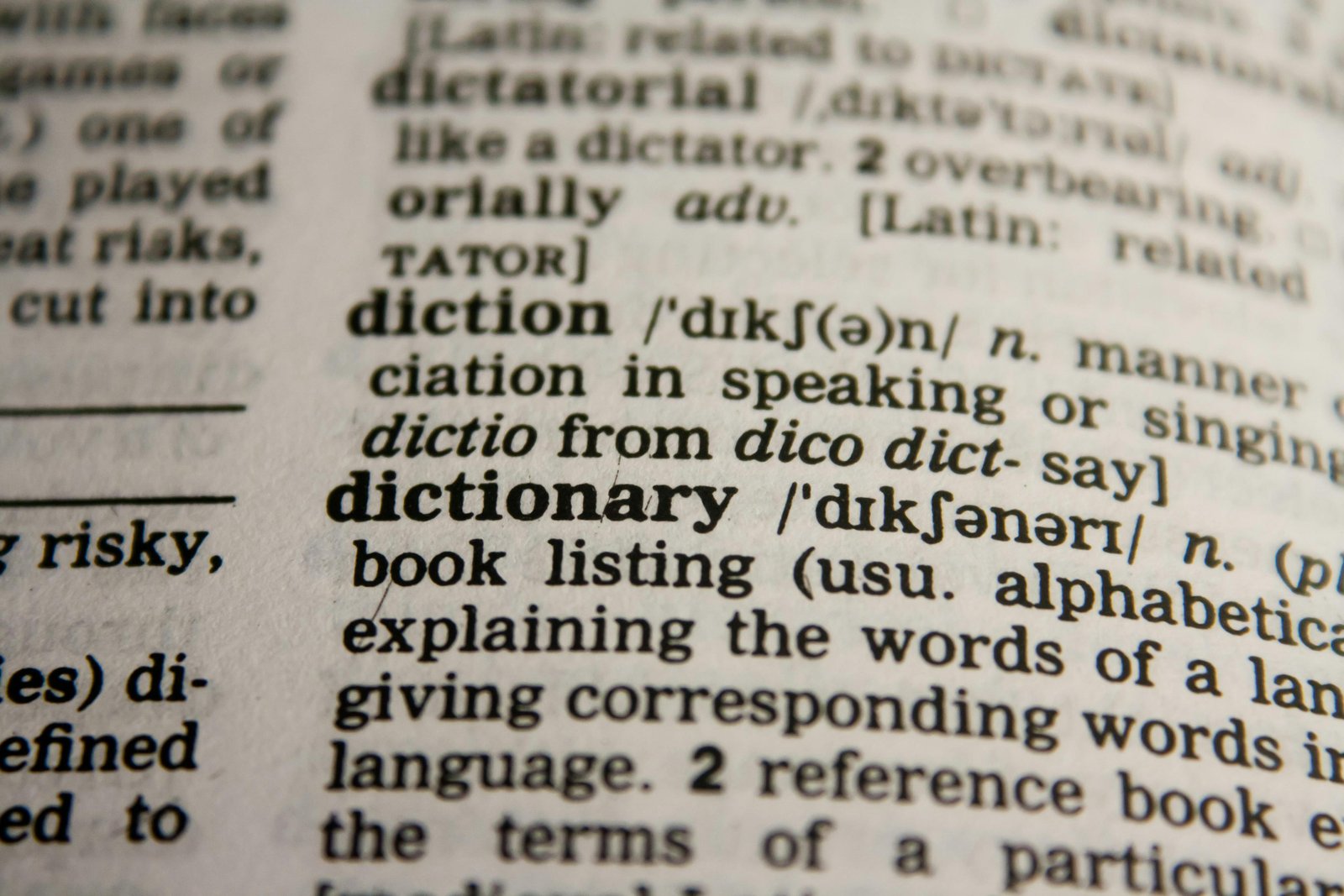
artificial Intelligence (AI) is a rapidly growing field that continues to captivate audiences across the globe. With its widespread implications, AI has become a prominent topic of discussion in various media, including books and documentaries. In this article, we will delve into the definition and concept clarification of AI through the lens of insightful literature and engaging visual storytelling. **Defining Artificial Intelligence:** At its core, AI refers to the simulation of human intelligence processes by machines, especially computer systems. These processes include learning, reasoning, problem-solving, perception, and more. AI aims to create intelligent systems that can mimic human behavior and cognitive functions, leading to advancements in automation, data analysis, and decision-making. **Exploring AI in Books:** Several authors have delved into the realms of AI, offering unique perspectives on its impact on society and the future. Books like "Life 3.0: Being Human in the Age of Artificial Intelligence" by Max Tegmark and "Superintelligence: Paths, Dangers, Strategies" by Nick Bostrom provide in-depth explorations of AI's potential consequences and ethical considerations. These literary works challenge readers to contemplate the implications of a world driven by intelligent machines. **Engaging with AI in Documentaries:** Documentaries serve as captivating visual platforms for showcasing the power and complexities of AI. Films like "AlphaGo" and "Lo and Behold: Reveries of the Connected World" offer viewers a glimpse into the world of AI through real-world applications and technological advancements. These documentaries blend storytelling with factual insights, making AI more accessible and comprehensible to a broader audience. **Concept Clarification:** AI encompasses various subfields, including machine learning, neural networks, natural language processing, and robotics. Machine learning, in particular, enables AI systems to improve performance on tasks through experience without being explicitly programmed. Neural networks mimic the human brain's structure and function, aiding in pattern recognition and decision-making. Natural language processing focuses on enabling machines to understand and generate human language, facilitating communication between humans and intelligent systems. Robotics combines hardware and AI algorithms to create autonomous machines capable of interacting with the physical world. **In Conclusion:** Books and documentaries play a crucial role in shedding light on the intricacies of AI, offering audiences valuable insights into its definition and conceptual framework. By exploring AI through diverse mediums, individuals can gain a deeper understanding of this transformative technology and its profound impact on society. As AI continues to evolve and shape the future, delving into books and documentaries provides a gateway to comprehend the nuances of artificial intelligence and its profound implications.
Leave a Comment:
SEARCH
Recent News
- Zurich, the largest city in Switzerland, is a vibrant and dynamic metropolis known for its picturesque setting, high quality of life, and economic prowess. From its stunning architecture and rich cultural heritage to its thriving arts scene and innovative gastronomy, Zurich has a lot to offer both residents and visitors alike.
- Zurich, Switzerland: A Linguistic Haven for Dictionaries
- **How YouTube Content Creation is Reshaping the Way We Interact with Encyclopedias**
- YouTube Channels: The Modern-Day Encyclopedias
- Unlocking the World of Knowledge and Learning with YouTube Channel Dictionaries
- The FIFA World Cup is undoubtedly one of the most prestigious and highly anticipated sporting events in the world. With a rich history dating back to 1930, the World Cup has captured the hearts of millions of fans globally. To delve deeper into the fascinating world of the World Cup, one can turn to World Cup encyclopedias for a comprehensive and detailed look at the tournament's history, players, teams, and memorable moments.
- The Language of the World Cup: A Dictionary for Soccer Fans
- Encyclopedias have long been a valuable resource for individuals looking to develop their work skills. These comprehensive reference sources provide a wealth of information on a wide range of topics, making them an essential tool for anyone seeking to expand their knowledge and expertise in their field.
READ MORE
11 months ago Category : Word Clarifications es

Zurich, the largest city in Switzerland, is a vibrant and dynamic metropolis known for its picturesque setting, high quality of life, and economic prowess. From its stunning architecture and rich cultural heritage to its thriving arts scene and innovative gastronomy, Zurich has a lot to offer both residents and visitors alike.
Read More →11 months ago Category : Word Clarifications es

Zurich, Switzerland: A Linguistic Haven for Dictionaries
Read More →11 months ago Category : Word Clarifications es

**How YouTube Content Creation is Reshaping the Way We Interact with Encyclopedias**
Read More →11 months ago Category : Word Clarifications es
