**Exploring Diplomacy: Definition and Concept Clarification**
Category : Word Clarifications es | Sub Category : Posted on 2024-11-05 22:25:23
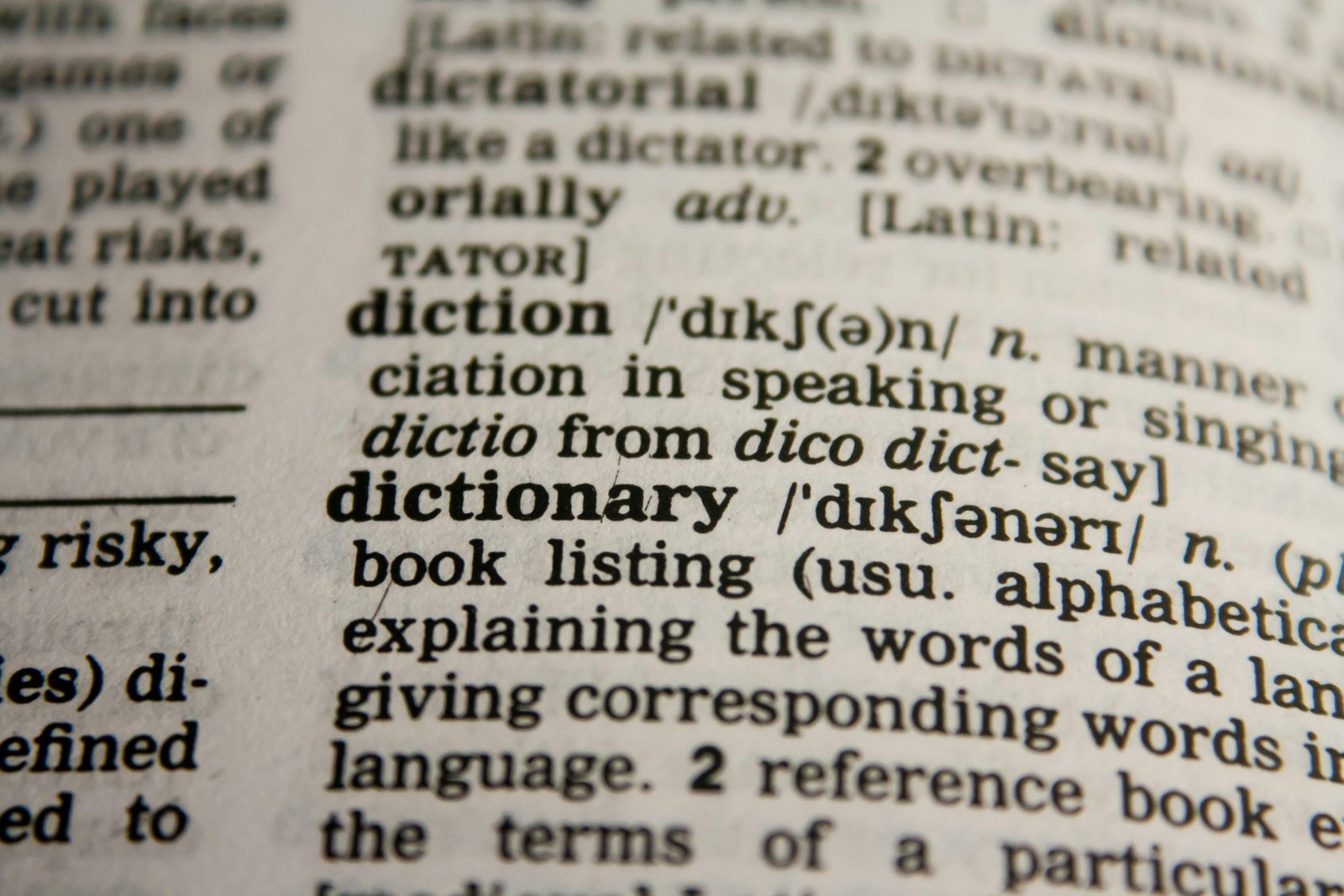
In today's interconnected world, Diplomacy plays a crucial role in international relations. The art of diplomacy is often associated with high-level negotiations and formal agreements between nations. However, the concept of diplomacy extends far beyond these traditional boundaries. In this blog post, we will delve into the definition of diplomacy and clarify its various aspects. **What is Diplomacy?** Diplomacy can be defined as the practice of conducting negotiations between representatives of various groups or nations. It involves seeking peaceful resolutions to conflicts, promoting mutual understanding, and advancing common interests. Diplomacy is a tool used to manage relationships between states, organizations, and other entities in a complex and ever-changing global landscape. **Key Aspects of Diplomacy** 1. **Negotiation:** At the core of diplomacy is the art of negotiation. Diplomats engage in discussions and dialogues to reach agreements that serve the interests of their respective parties. Negotiation requires patience, tact, and a deep understanding of the issues at hand. 2. **Communication:** Effective communication is essential in diplomacy. Diplomats must convey messages clearly and concisely, taking into account cultural differences and nuances in language. Miscommunication can lead to misunderstandings and hinder the progress of diplomatic efforts. 3. **Representation:** Diplomats serve as representatives of their countries or organizations. They act as intermediaries, conveying the positions and interests of their governments to foreign counterparts. Representing one's country with dignity and professionalism is a key aspect of diplomatic practice. 4. **Mediation:** Diplomacy often involves mediating disputes between conflicting parties. Mediators work to facilitate dialogue, build trust, and find common ground for resolution. Mediation plays a vital role in preventing conflicts from escalating and promoting stability. 5. **Cultural Intelligence:** Cultural intelligence is a critical skill in diplomacy. Diplomats must be attuned to the cultural norms, practices, and values of the countries they engage with. Respect for cultural differences and the ability to navigate diverse settings are essential for successful diplomatic encounters. **The Evolution of Diplomacy** Diplomacy has evolved over centuries, adapting to changing geopolitical landscapes and technological advancements. Traditional diplomacy based on face-to-face interactions and formal ceremonies has been complemented by digital diplomacy, where communication occurs through online platforms and social media. In conclusion, diplomacy is a multifaceted concept that encompasses negotiation, communication, representation, mediation, and cultural intelligence. As the world becomes increasingly interconnected, the practice of diplomacy remains essential for building relationships, resolving conflicts, and promoting cooperation on a global scale. Understanding the definition and key aspects of diplomacy is crucial for navigating the complexities of international relations and contributing to a more peaceful and prosperous world. For a broader perspective, don't miss https://www.rollerbooks.com To get all the details, go through https://www.attestative.com For more info https://www.discutir.org
Leave a Comment:
SEARCH
Recent News
- Zurich, the largest city in Switzerland, is a vibrant and dynamic metropolis known for its picturesque setting, high quality of life, and economic prowess. From its stunning architecture and rich cultural heritage to its thriving arts scene and innovative gastronomy, Zurich has a lot to offer both residents and visitors alike.
- Zurich, Switzerland: A Linguistic Haven for Dictionaries
- **How YouTube Content Creation is Reshaping the Way We Interact with Encyclopedias**
- YouTube Channels: The Modern-Day Encyclopedias
- Unlocking the World of Knowledge and Learning with YouTube Channel Dictionaries
- The FIFA World Cup is undoubtedly one of the most prestigious and highly anticipated sporting events in the world. With a rich history dating back to 1930, the World Cup has captured the hearts of millions of fans globally. To delve deeper into the fascinating world of the World Cup, one can turn to World Cup encyclopedias for a comprehensive and detailed look at the tournament's history, players, teams, and memorable moments.
- The Language of the World Cup: A Dictionary for Soccer Fans
- Encyclopedias have long been a valuable resource for individuals looking to develop their work skills. These comprehensive reference sources provide a wealth of information on a wide range of topics, making them an essential tool for anyone seeking to expand their knowledge and expertise in their field.
READ MORE
11 months ago Category : Word Clarifications es

Zurich, the largest city in Switzerland, is a vibrant and dynamic metropolis known for its picturesque setting, high quality of life, and economic prowess. From its stunning architecture and rich cultural heritage to its thriving arts scene and innovative gastronomy, Zurich has a lot to offer both residents and visitors alike.
Read More →11 months ago Category : Word Clarifications es

Zurich, Switzerland: A Linguistic Haven for Dictionaries
Read More →11 months ago Category : Word Clarifications es

**How YouTube Content Creation is Reshaping the Way We Interact with Encyclopedias**
Read More →11 months ago Category : Word Clarifications es
