Understanding Technical Communication: Definition and Concept Clarification
Category : Word Clarifications es | Sub Category : Posted on 2024-11-05 22:25:23
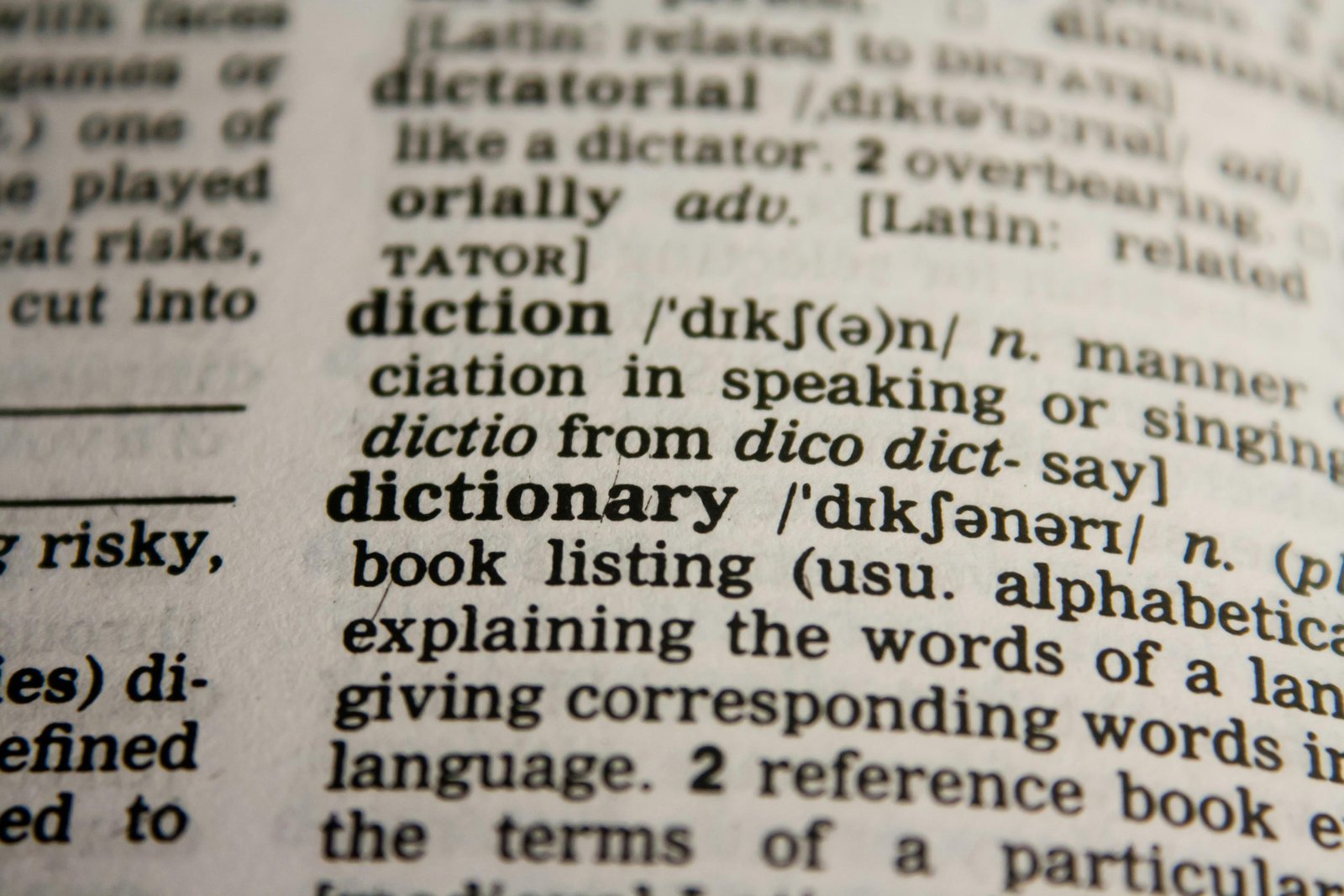
In a world where information is constantly being shared and exchanged, the role of technical communication has become more crucial than ever. Technical communication is a specialized form of communication that involves conveying complex information in a clear and concise manner. It plays a significant role in various industries such as technology, engineering, healthcare, and finance, where precise and accurate communication is essential for success. Definition of Technical Communication: Technical communication can be defined as the process of conveying technical information to a specific audience in a way that is easily understood and acted upon. This type of communication often involves using specialized vocabulary, graphics, and formatting to make complex concepts more accessible to non-experts. Technical communicators are professionals who specialize in creating documents such as user manuals, reports, proposals, and instructions that help users understand and utilize technical products and services effectively. Key Concepts of Technical Communication: 1. Audience Analysis: Understanding the needs, knowledge level, and expectations of the target audience is crucial in technical communication. The information should be tailored to meet the specific requirements of the audience to ensure clarity and effectiveness. 2. Clarity and Conciseness: Technical communication aims to convey information accurately and efficiently. It involves using simple language, avoiding jargon, and organizing content in a logical manner to facilitate easy comprehension. 3. Visual Communication: In addition to written content, technical communication often incorporates visuals such as diagrams, charts, and illustrations to enhance understanding and retention of information. 4. Document Design: The design of technical documents is critical in guiding users through the information effectively. Elements such as headings, subheadings, lists, and tables help organize content and improve readability. 5. Revision and Editing: Technical communicators engage in rigorous revision and editing processes to ensure accuracy, consistency, and clarity in the final documents. Feedback from stakeholders and subject matter experts is often incorporated to enhance the quality of the communication. Benefits of Effective Technical Communication: Effective technical communication has numerous benefits for organizations and individuals, including: - Improved user experience: Clear and well-structured technical documents enhance user understanding and satisfaction. - Increased efficiency: Accurate communication reduces errors, saving time and resources. - Enhanced safety: Clear instructions and warnings help prevent accidents and ensure user safety. - Competitive advantage: Organizations that communicate effectively are more likely to attract and retain customers. In conclusion, technical communication plays a vital role in facilitating the exchange of technical information in a clear and accessible manner. By understanding the key concepts and principles of technical communication, professionals can enhance communication effectiveness and achieve their communication goals successfully. For more info https://www.rollerbooks.com
https://genauigkeit.com
Leave a Comment:
SEARCH
Recent News
- Zurich, the largest city in Switzerland, is a vibrant and dynamic metropolis known for its picturesque setting, high quality of life, and economic prowess. From its stunning architecture and rich cultural heritage to its thriving arts scene and innovative gastronomy, Zurich has a lot to offer both residents and visitors alike.
- Zurich, Switzerland: A Linguistic Haven for Dictionaries
- **How YouTube Content Creation is Reshaping the Way We Interact with Encyclopedias**
- YouTube Channels: The Modern-Day Encyclopedias
- Unlocking the World of Knowledge and Learning with YouTube Channel Dictionaries
- The FIFA World Cup is undoubtedly one of the most prestigious and highly anticipated sporting events in the world. With a rich history dating back to 1930, the World Cup has captured the hearts of millions of fans globally. To delve deeper into the fascinating world of the World Cup, one can turn to World Cup encyclopedias for a comprehensive and detailed look at the tournament's history, players, teams, and memorable moments.
- The Language of the World Cup: A Dictionary for Soccer Fans
- Encyclopedias have long been a valuable resource for individuals looking to develop their work skills. These comprehensive reference sources provide a wealth of information on a wide range of topics, making them an essential tool for anyone seeking to expand their knowledge and expertise in their field.
READ MORE
11 months ago Category : Word Clarifications es

Zurich, the largest city in Switzerland, is a vibrant and dynamic metropolis known for its picturesque setting, high quality of life, and economic prowess. From its stunning architecture and rich cultural heritage to its thriving arts scene and innovative gastronomy, Zurich has a lot to offer both residents and visitors alike.
Read More →11 months ago Category : Word Clarifications es

Zurich, Switzerland: A Linguistic Haven for Dictionaries
Read More →11 months ago Category : Word Clarifications es

**How YouTube Content Creation is Reshaping the Way We Interact with Encyclopedias**
Read More →11 months ago Category : Word Clarifications es
