Exploring the Chinese Language: Definition and Concept Clarification
Category : Word Clarifications es | Sub Category : Posted on 2024-11-05 22:25:23
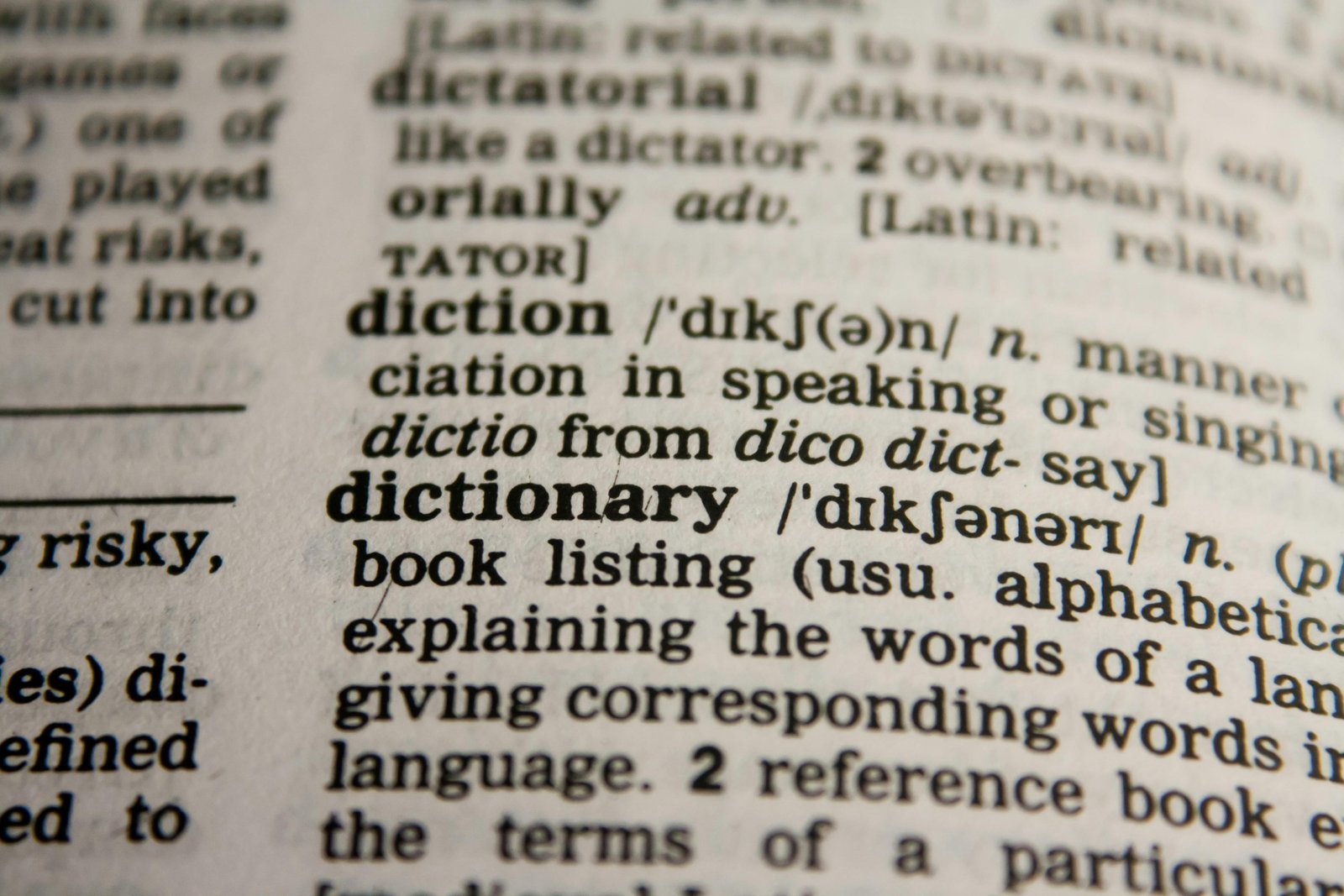
The Chinese language, with its rich history and intricate characters, holds a special place in the linguistic world. In this blog post, we will delve into the definition of the Chinese language and clarify some key concepts surrounding it. The Chinese language, also known as Hanyu (汉语) in Mandarin, is a group of related languages that form the Sino-Tibetan language family. It is spoken by over 1.2 billion people worldwide, making it the most spoken language in the world. Chinese is the official language of China, Taiwan, and Singapore, and is also one of the six official languages of the United Nations. One of the unique features of the Chinese language is its writing system, which is based on characters rather than an alphabet. Chinese characters are logograms, with each character representing a morpheme or a meaningful unit of language. There are thousands of Chinese characters, and each character can have multiple pronunciations and meanings depending on the context in which it is used. There are several dialects of the Chinese language, with Mandarin being the most widely spoken. Other major dialect groups include Cantonese, Shanghainese, and Hokkien. While these dialects share a common writing system, they can differ significantly in terms of pronunciation, vocabulary, and grammar. In addition to the spoken dialects, there is also Classical Chinese, which was used in ancient texts and formal writing. Classical Chinese is characterized by a more complex grammar and vocabulary compared to modern spoken Chinese. One common misconception about Chinese is that it is a single, monolithic language. In reality, Chinese encompasses a diverse range of dialects and regional variations that can differ significantly from each other. While Mandarin is the official standard, many Chinese speakers also use their local dialects in daily communication. In conclusion, the Chinese language is a fascinating and multifaceted linguistic system with a rich history and cultural significance. By understanding the definition and concept of the Chinese language, we can gain a deeper appreciation for its complexity and diversity. Whether you are a language enthusiast or simply curious about the world of Chinese communication, exploring the Chinese language is sure to be a rewarding journey.
https://toguangzhou.com
https://2gz.org
https://china-directory.com
Leave a Comment:
SEARCH
Recent News
- Zurich, the largest city in Switzerland, is a vibrant and dynamic metropolis known for its picturesque setting, high quality of life, and economic prowess. From its stunning architecture and rich cultural heritage to its thriving arts scene and innovative gastronomy, Zurich has a lot to offer both residents and visitors alike.
- Zurich, Switzerland: A Linguistic Haven for Dictionaries
- **How YouTube Content Creation is Reshaping the Way We Interact with Encyclopedias**
- YouTube Channels: The Modern-Day Encyclopedias
- Unlocking the World of Knowledge and Learning with YouTube Channel Dictionaries
- The FIFA World Cup is undoubtedly one of the most prestigious and highly anticipated sporting events in the world. With a rich history dating back to 1930, the World Cup has captured the hearts of millions of fans globally. To delve deeper into the fascinating world of the World Cup, one can turn to World Cup encyclopedias for a comprehensive and detailed look at the tournament's history, players, teams, and memorable moments.
- The Language of the World Cup: A Dictionary for Soccer Fans
- Encyclopedias have long been a valuable resource for individuals looking to develop their work skills. These comprehensive reference sources provide a wealth of information on a wide range of topics, making them an essential tool for anyone seeking to expand their knowledge and expertise in their field.
READ MORE
11 months ago Category : Word Clarifications es

Zurich, the largest city in Switzerland, is a vibrant and dynamic metropolis known for its picturesque setting, high quality of life, and economic prowess. From its stunning architecture and rich cultural heritage to its thriving arts scene and innovative gastronomy, Zurich has a lot to offer both residents and visitors alike.
Read More →11 months ago Category : Word Clarifications es

Zurich, Switzerland: A Linguistic Haven for Dictionaries
Read More →11 months ago Category : Word Clarifications es

**How YouTube Content Creation is Reshaping the Way We Interact with Encyclopedias**
Read More →11 months ago Category : Word Clarifications es
