Understanding Inductive Reasoning: Definition and Concept Clarification
Category : Word Clarifications es | Sub Category : Posted on 2025-11-03 22:25:23
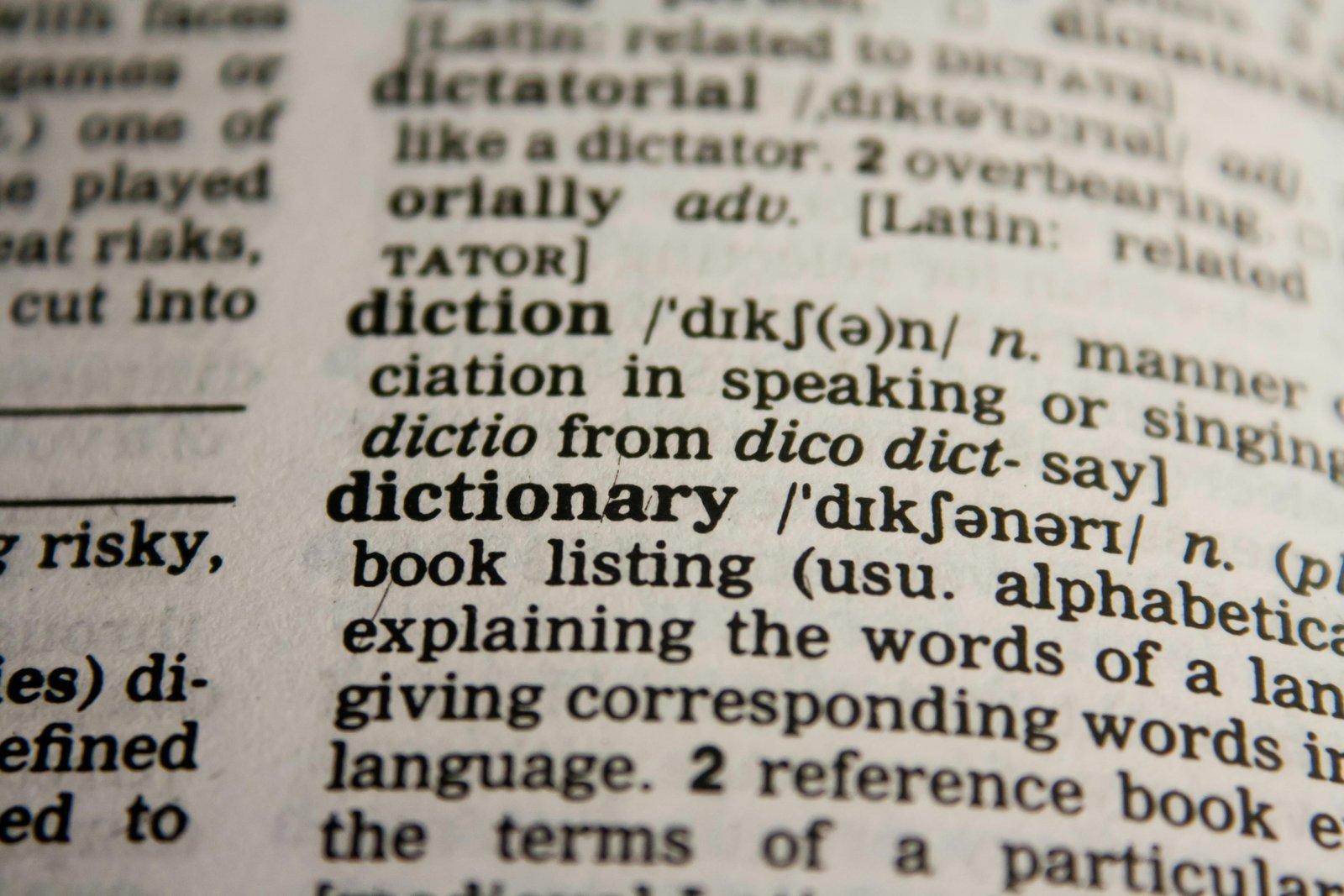
Inductive reasoning is a fundamental aspect of logical thinking that is used to draw general conclusions based on specific observations or evidence. It is a method of reasoning that moves from particular instances to broader generalizations, making educated guesses or predictions about patterns and trends based on the information at hand. In contrast to deductive reasoning, which involves moving from general principles to specific conclusions, inductive reasoning is more about generating hypotheses and forming theories. One key characteristic of inductive reasoning is its probabilistic nature. The conclusions drawn through inductive reasoning are not guaranteed to be true, as the reasoning process relies on probabilities and likelihoods rather than certainties. This is because inductive reasoning is based on inferential reasoning, where the premises provide support for the conclusion but do not logically entail it. As a result, inductive arguments can be strong or weak, depending on the quality of the evidence and the reasoning involved. Inductive reasoning is used in various fields, including science, social sciences, and everyday decision-making. In science, researchers often use inductive reasoning to form hypotheses and theories based on observations and experiments. For example, a scientist might observe that all swans they have encountered are white and then use inductive reasoning to infer that all swans are white, even though they have not observed every swan in existence. In the social sciences, inductive reasoning is used to analyze data and draw conclusions about human behavior and social phenomena. Sociologists, for instance, may conduct qualitative research to gather detailed observations and then use inductive reasoning to identify patterns and generate theories about social interactions. In everyday life, inductive reasoning plays a crucial role in decision-making and problem-solving. When faced with a new situation or problem, individuals often rely on past experiences and observations to make informed guesses about potential outcomes. For example, if someone has encountered several rainy days in a row, they might use inductive reasoning to predict that it will rain again the next day. While inductive reasoning can be a powerful tool for generating new ideas and insights, it is important to be aware of its limitations. Because inductive arguments do not guarantee the truth of their conclusions, they are always subject to revision in light of new evidence. Additionally, biases and assumptions can impact the quality of inductive reasoning, leading to faulty conclusions. In conclusion, inductive reasoning is an important form of reasoning that allows us to make sense of the world around us by drawing general conclusions from specific observations. By understanding the definition and concept of inductive reasoning, we can enhance our critical thinking skills and make more informed decisions in various aspects of our lives.
Leave a Comment:
SEARCH
Recent News
- Zurich, the largest city in Switzerland, is a vibrant and dynamic metropolis known for its picturesque setting, high quality of life, and economic prowess. From its stunning architecture and rich cultural heritage to its thriving arts scene and innovative gastronomy, Zurich has a lot to offer both residents and visitors alike.
- Zurich, Switzerland: A Linguistic Haven for Dictionaries
- **How YouTube Content Creation is Reshaping the Way We Interact with Encyclopedias**
- YouTube Channels: The Modern-Day Encyclopedias
- Unlocking the World of Knowledge and Learning with YouTube Channel Dictionaries
- The FIFA World Cup is undoubtedly one of the most prestigious and highly anticipated sporting events in the world. With a rich history dating back to 1930, the World Cup has captured the hearts of millions of fans globally. To delve deeper into the fascinating world of the World Cup, one can turn to World Cup encyclopedias for a comprehensive and detailed look at the tournament's history, players, teams, and memorable moments.
- The Language of the World Cup: A Dictionary for Soccer Fans
- Encyclopedias have long been a valuable resource for individuals looking to develop their work skills. These comprehensive reference sources provide a wealth of information on a wide range of topics, making them an essential tool for anyone seeking to expand their knowledge and expertise in their field.
READ MORE
11 months ago Category : Word Clarifications es

Zurich, the largest city in Switzerland, is a vibrant and dynamic metropolis known for its picturesque setting, high quality of life, and economic prowess. From its stunning architecture and rich cultural heritage to its thriving arts scene and innovative gastronomy, Zurich has a lot to offer both residents and visitors alike.
Read More →11 months ago Category : Word Clarifications es

Zurich, Switzerland: A Linguistic Haven for Dictionaries
Read More →11 months ago Category : Word Clarifications es

**How YouTube Content Creation is Reshaping the Way We Interact with Encyclopedias**
Read More →11 months ago Category : Word Clarifications es
